
Andy Burnham: IPP Prisoners Cannot Wait Until the End of Parliament
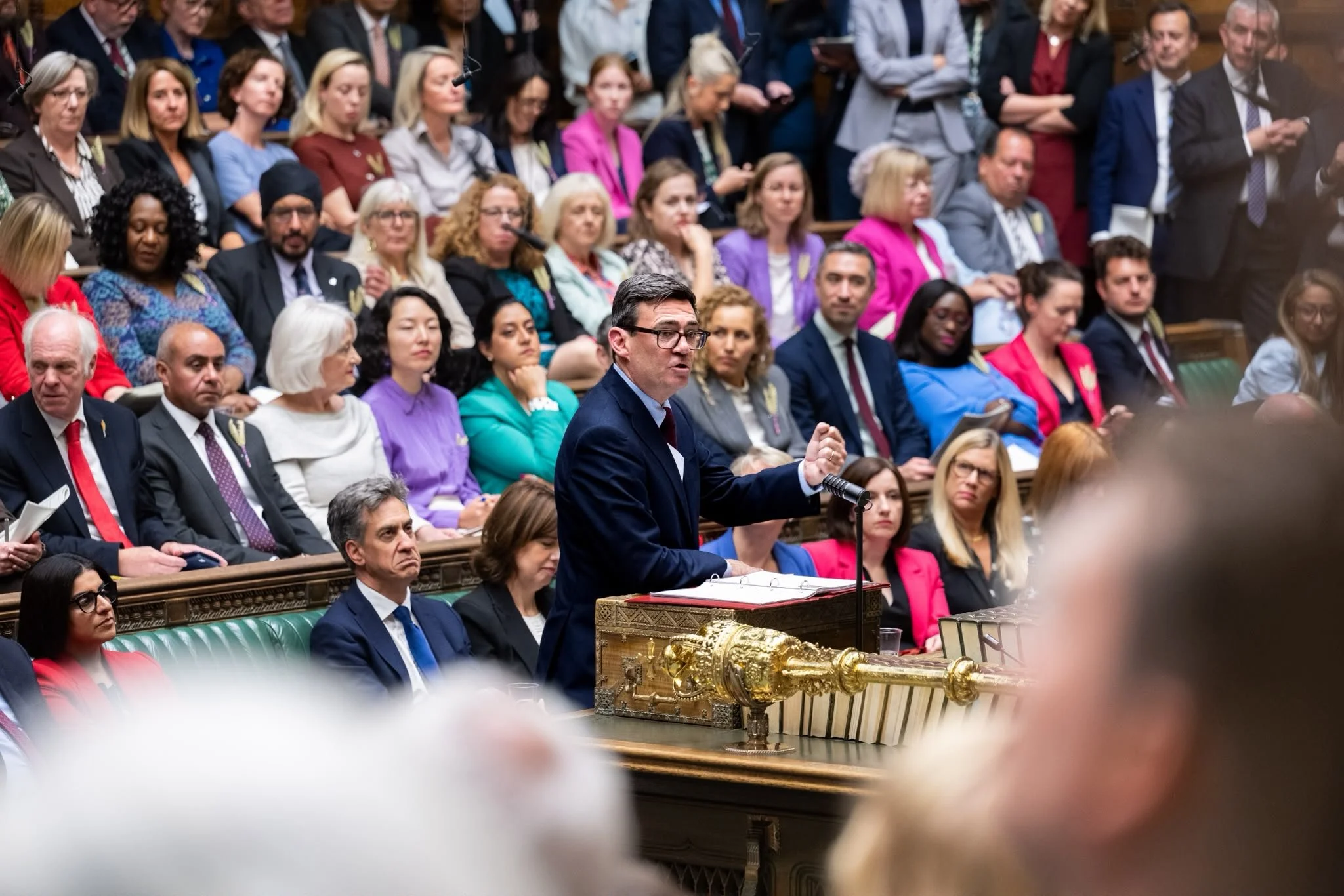
Andy Burnham speaking during Prime Minister’s Questions on 9 September 2026. IPP families are urging the Government to turn its commitment to reform into immediate action. Photograph: ©️ House of Commons.
A promise to end IPP is welcome, but those still imprisoned need more than a distant commitment. Shirley Debono calls for immediate action, accountability and an end to a sentence that continues to devastate lives.
By Shirley Debono, Founder of IPP Committee In Action | 3 November 2026
The Government’s commitment to end the injustice of Imprisonment for Public Protection sentences is welcome. For prisoners, families and campaigners who have spent years fighting to be heard, an acknowledgement of that injustice matters. Yet a promise of reform by the end of this Parliament cannot become a reason to postpone action today. People remain behind bars, families continue to live in uncertainty, and those whose health has deteriorated under this sentence cannot be expected to put their suffering on hold while a legislative timetable takes shape.
When Prime Minister Andy Burnham committed in August to bringing the IPP injustice to an end during this Parliament, he offered hope to people who have repeatedly been disappointed. That hope must now be matched by a clear programme of action. For someone who has already spent ten, fifteen or twenty years beyond their minimum tariff, the prospect of waiting several more years is not reassurance. It is another period of life that can never be recovered.
My message to the Prime Minister is straightforward: why wait until the end of Parliament? IPP prisoners are waiting for decisions that will determine whether they can rebuild their lives, return to their families and face the future with some certainty. Their circumstances demand an urgency that a distant political commitment cannot provide.
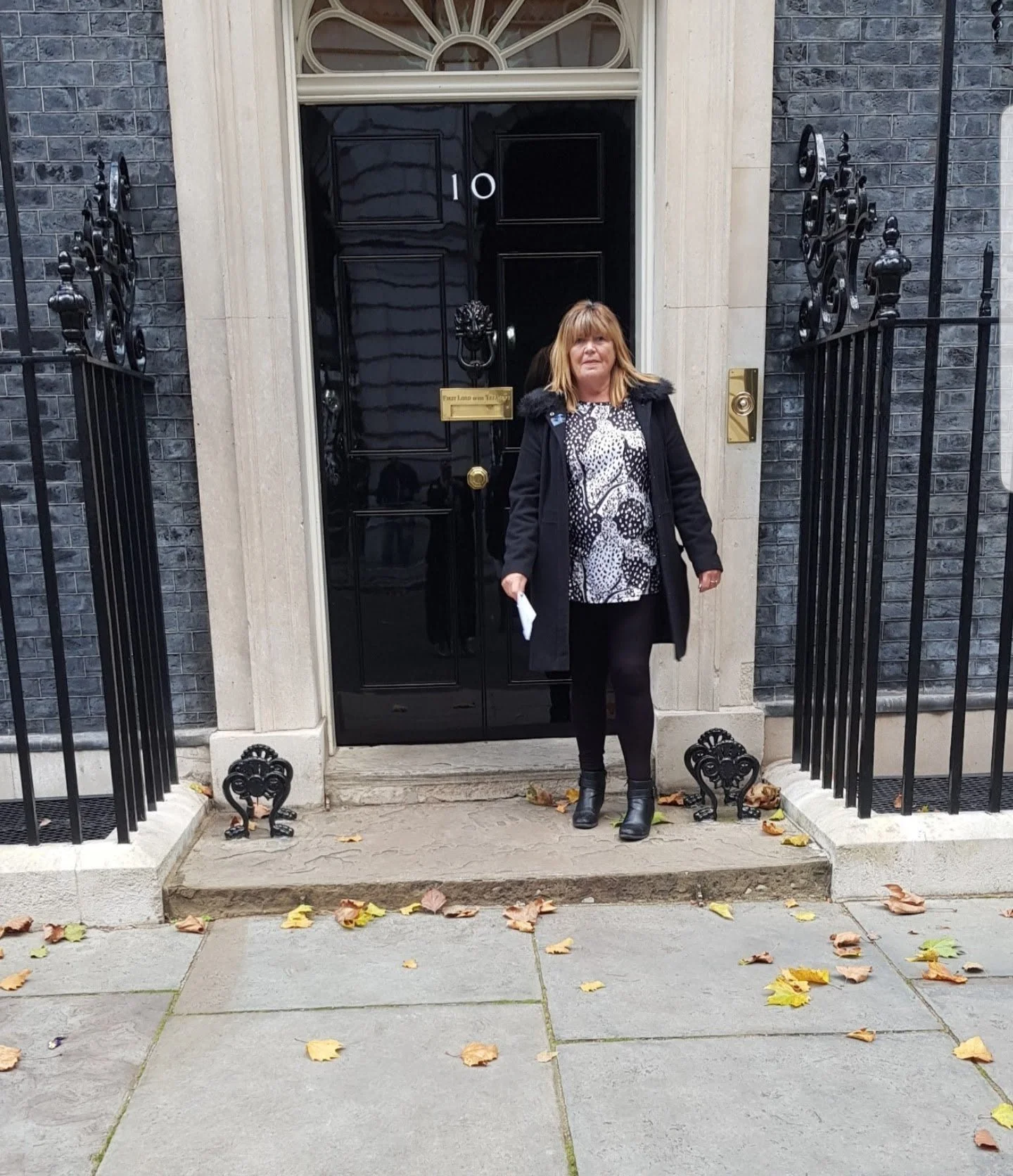
Shirley Debono attending Parliament on behalf of people affected by IPP sentences.
The United Nations findings require a response
On 23 July 2026, the United Nations Working Group on Arbitrary Detention published Opinion No. 16/2026 concerning five people serving IPP sentences. The complaint was pursued through the work of IPP Committee In Action, with legal assistance from Dr Muin Boase and Alun Jones KC. It brought the experiences of Leroy Douglas, Wayne Williams, Shaun Anton Lloyd, Abdullahi Suleman and Joshua McRae before an international human rights body.
The Working Group found their continued detention arbitrary under international law. That conclusion requires a substantive response from the Government, including a clear explanation of how it will address the findings and the remedies sought. Although the opinion does not itself overturn domestic sentences or automatically secure release for everyone serving IPP, its significance must not be diminished. The Government should explain what it will do in response, when it will act and how those affected will be informed.
For families who have spent years raising concerns about prolonged detention, inaccessible routes to release and the damage caused by uncertainty, the opinion represents an important recognition of the issues they have been describing. It must now become part of a practical response to injustice, rather than another document acknowledged without meaningful change.
Joshua McRae: a life that must not be forgotten
Joshua McRae died at HMP Long Lartin in September 2024, while the work to challenge IPP detention through the United Nations was under way. His death is a devastating reminder that behind every case file is a person whose life extends far beyond the sentence imposed upon them. Joshua had a family, relationships, hopes and a future. He must never be reduced to a statistic or remembered only through the circumstances of his imprisonment.
His case formed part of the complaint considered by the Working Group. For those of us involved in this campaign, remembering Joshua means continuing to seek answers about his death while insisting that the experiences of prisoners and their families are taken seriously. We must be careful and accurate about the circumstances of individual deaths, but we must also be unequivocal about the value of every life affected by IPP.
No family should feel that their loved one has been forgotten inside a system without a clear endpoint. Joshua’s life mattered, and the grief of those who loved him deserves recognition, respect and accountability. His death reinforces the urgency of reform: political delay takes place in the lives of real people, some of whom will not survive to see the changes being promised.
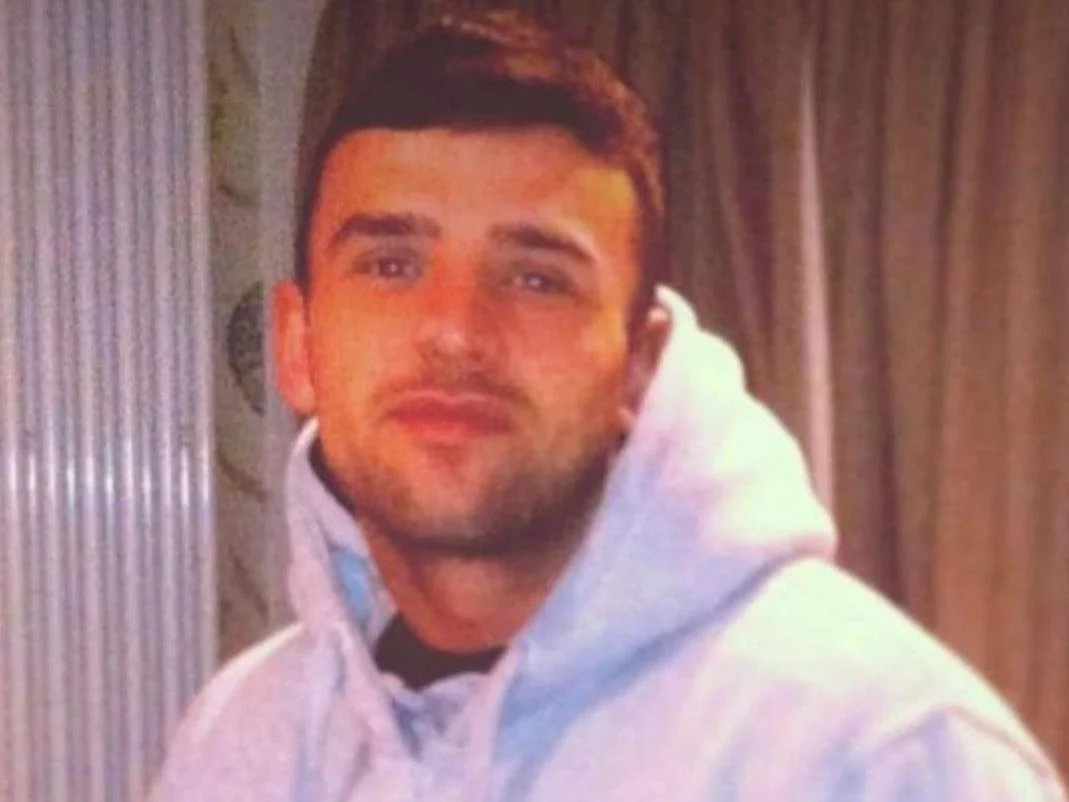
Remembering Joshua McRae, who died in September 2024. Photograph courtesy of Theresa McRae.
The challenge has reached the courts
Following the United Nations opinion, habeas corpus applications were brought on behalf of Leroy Douglas, Wayne Williams, Shaun Anton Lloyd and Abdullahi Suleman, challenging the lawfulness of their continued detention. According to the hearing information provided to IPP Committee In Action, the proceedings are listed for 25 November 2026 in Cardiff. For the four men and their families, this is an important stage in a legal challenge whose outcome remains for the court to determine.
My own son, Shaun Lloyd, is one of the applicants. He received an IPP sentence as a teenager, and its consequences have shaped years of his life and the lives of those who love him. When I speak about the need for change, I do so as a campaigner and as a mother who understands what it means to wait for decisions that carry enormous personal consequences.
We hope these proceedings will bring meaningful scrutiny to the lawfulness of continued detention and contribute to the wider examination of IPP. We recognise that the court must determine the applications on their legal merits. At the same time, the Government retains its own responsibility to respond to the injustice it has acknowledged; that responsibility should not be deferred while families pursue remedies through litigation.
Abolished in 2012, but still shaping thousands of lives
IPP sentences were abolished for new cases in 2012, but that abolition did not retrospectively remove existing sentences. As of 30 June 2026, the published prison population figures recorded 856 people serving IPP who had never been released and a further 1,415 in custody following recall. Together, that amounted to 2,271 people still imprisoned under the IPP system.
These figures describe different experiences, but they point to the same unresolved problem: abolition has not brought an end to the sentence’s continuing consequences. Some people have remained imprisoned long beyond their minimum tariffs. Others have experienced release followed by recall, returning them and their families to renewed uncertainty about when they might leave custody again.
The minimum tariff represents the punitive period set by the court; under the IPP framework, release after that point depends on the applicable public protection test. Our challenge is to a system in which the route out can become prolonged, uncertain and difficult to navigate. Passing the tariff must lead to meaningful, fair and timely scrutiny of whether continued detention remains justified.
That uncertainty can have profound consequences for mental health, relationships and the ability to plan a life. Families organise themselves around hearings, reports, telephone calls and decisions they cannot control. Financial pressure and emotional exhaustion accumulate, while the fear of further deterioration never fully disappears. An adequate response must address these consequences alongside the legal framework that sustains them.
What the Government must do now
Preparing legislation should go hand in hand with immediate measures to address cases of prolonged detention, barriers to progression and unnecessary delay. We are calling for an urgent, properly resourced review of people held beyond their minimum tariffs, with prompt consideration of release wherever the applicable legal requirements are met. Such reviews must examine the evidence about current risk fairly and ensure that detention is not prolonged by avoidable administrative failures or inaccessible support.
Recalled IPP prisoners also need urgent attention, particularly where recall has occurred without a new conviction. The absence of a new conviction does not, by itself, resolve every question about risk, but neither should recall escape close examination. Decisions must be properly evidenced, proportionate and open to effective challenge, with a clear route towards release.
Mental-health treatment, timely parole processes and meaningful legal participation must be central to this response. People receiving psychiatric treatment should have fair access to reviews and the support required to participate in them. Prisoners and their representatives must be able to understand the evidence relied upon, challenge inaccuracies and identify what is genuinely required for progress.
Reform must also provide a clear and fair framework for life after release, including the operation and termination of licences. People need a realistic opportunity to rebuild their lives with appropriate support and understandable expectations. Public protection is an essential responsibility, and it is best served by lawful decisions, reliable evidence, effective treatment and sustainable reintegration.
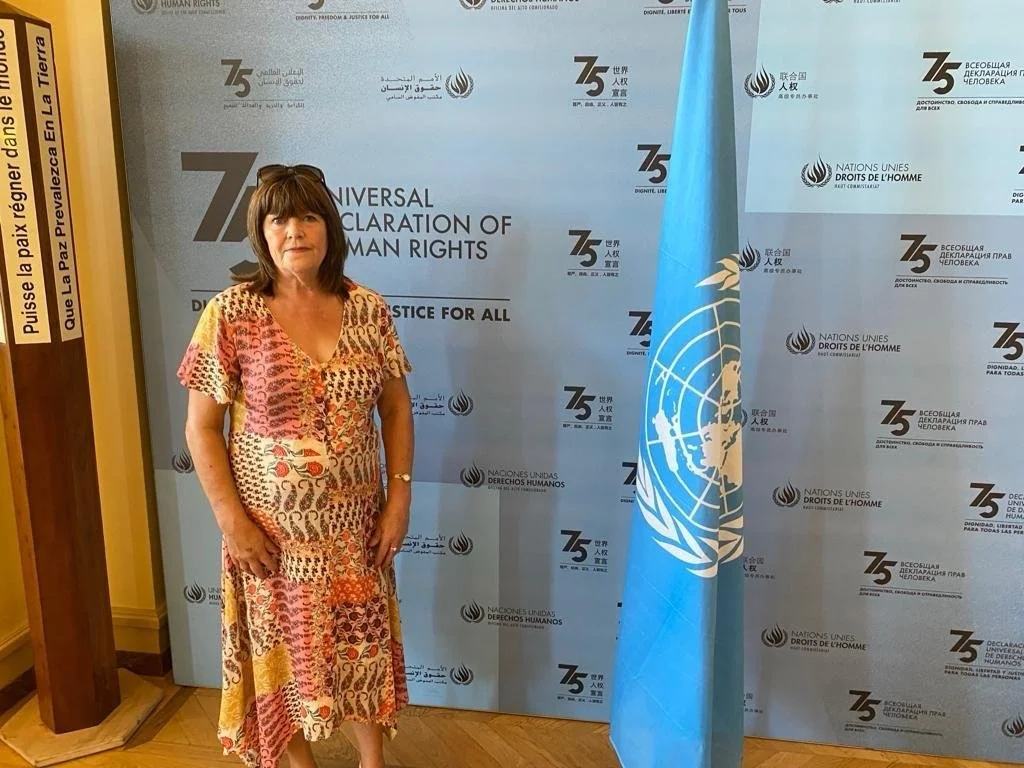
Shirley Debono representing IPP Committee in Action at the United Nations.
We will continue until promises become change
IPP Committee In Action has campaigned for years for retrospective reform, justice for prisoners and recognition of the harm experienced by families. We have raised concerns with ministers and MPs, worked with legal professionals, supported those affected and helped bring cases before the United Nations. On 11 September 2025, we personally delivered our letter and complaint to 10 Downing Street, carrying demands that remain urgent today.
Taking this issue to the United Nations was part of our determination to secure scrutiny and a response for people whose voices have too often gone unheard. The same determination will guide our work as legal proceedings continue and the Government develops its proposals. We will judge progress by what changes in people’s lives: fair decisions, timely reviews, appropriate support and an effective end to the injustices associated with this sentence.
Every organisation, family, campaigner and supporter has a part to play in maintaining that pressure. A commitment to act during this Parliament must be accompanied by published milestones, clear accountability and immediate steps for those who cannot safely wait. Families deserve to know what will happen next and when they can expect it to happen.
Prime Minister, the time for action is now
Andy Burnham has acknowledged the need to end the IPP injustice. He now has the opportunity and responsibility to turn that acknowledgement into a programme that delivers change. The Government should set out its timetable, explain its response to the United Nations findings and identify the measures it will take immediately to address prolonged detention and the suffering associated with it.
We cannot accept further years of uncertainty as the price of a promise. Every delay must be measured against the lives being lived through it: the parent waiting for a telephone call, the prisoner struggling to maintain hope and the family afraid that their loved one will never return home.
Prime Minister, do not leave meaningful action until the final months of this Parliament. IPP prisoners have already lost years they cannot recover, and their families have carried the consequences for too long. Their lives, their futures and their freedom deserve your attention now.
End the IPP injustice. Do not make them wait until the end of Parliament.
Shirley Debono
Founder, IPP Committee In Action
ippcommitteeinaction@yahoo.com